


A few things happened this week that got me thinking about the “new currency” of taste.
Kim Kardashian wore Maison Margiela to a gala — a house whose masked models once symbolized anonymity, shifting attention from the body to the garment. It was meant to erase identity so the craft could speak. Kim, of course, did the opposite. When asked why she chose the look, she said it felt “Skimsy.” A moment that perfectly captures how context defines taste: where you are, when you are, and who you are. Maison Margiela’s mask was never meant for someone who has built a career on visibility.


Then came the news that Grace Wales Bonner will lead men’s ready-to-wear at Hermès - a rare moment of optimism in luxury fashion. Her work has always carried memory: Jamaican heritage, Afro-Atlantic references, a reverence for craft and cultural continuity. It’s a kind of taste rooted in personal heritage, history, and lived experience - not trend.
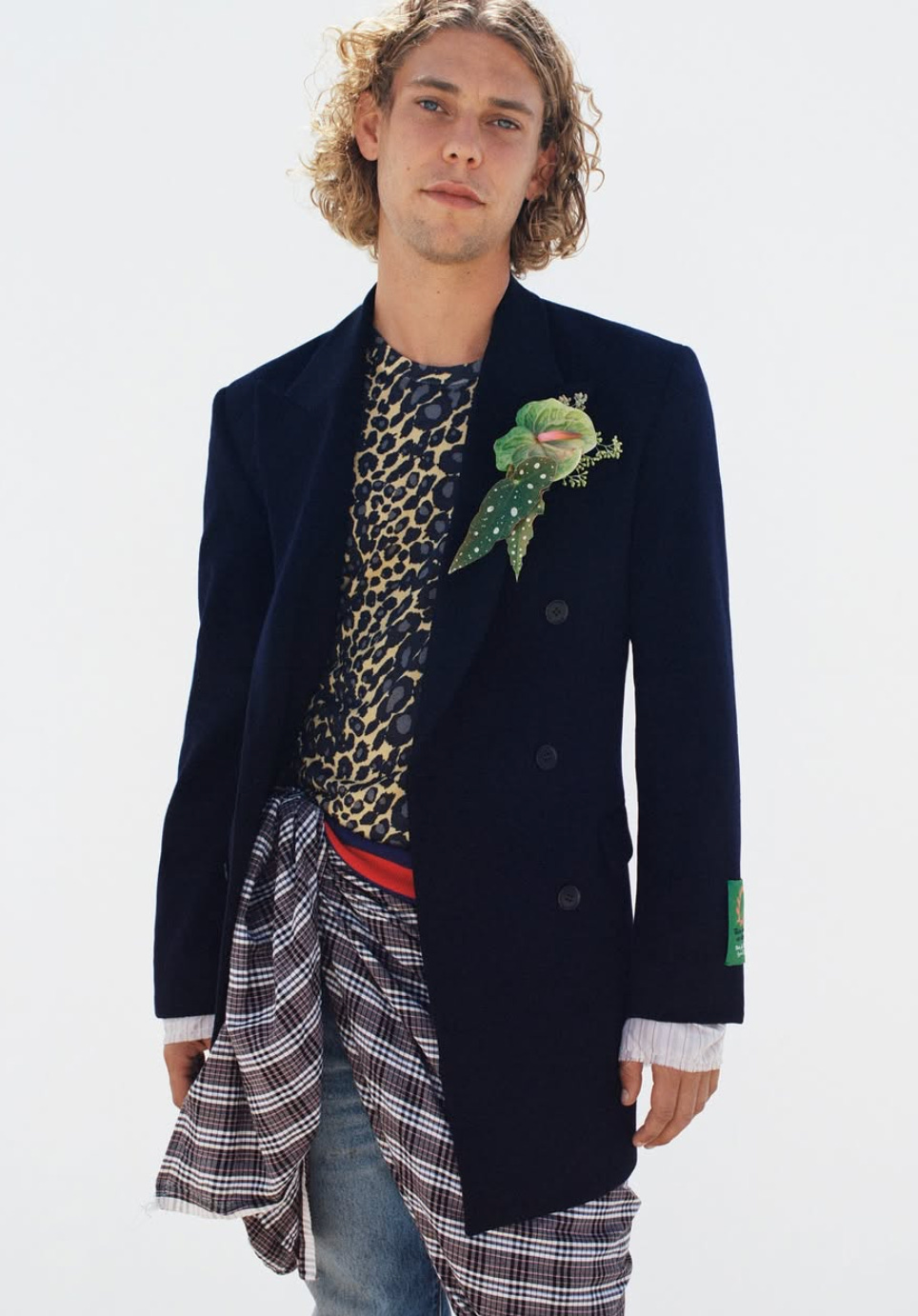
And then GQ released its chaotic “50 Most Stylish People Alive” list, where Greta Lee, widely considered a fashion icon, somehow shares digital space with Adam Sandler. I bet Adam Sandler is laughing at this as much as I do.


Between the absurd and the inspiring, it made me wonder what taste even means anymore - and how our values in fashion keep getting redefined.
“Fashion done right”
We talk a lot about “fashion icons” - Greta Lee, Zoë Kravitz, Ayo Edebiri - as if they’ve uncovered a secret formula. The internet is overflowing with “outfit formulas” and endless guides on “how to dress like…” They promise that all you need to do is adopt a “minimalist, edgy style” to become your idol - when really, what you need to embrace is your own inner voice.
The truth is, their style can’t be replicated because what makes it work isn’t the clothes; it’s the coherence. It’s the way their choices (read: their stylists’ choices, but we’ll touch on that another time) align with who they are.
That’s the difference between simply dressing well and being truly well-dressed — one is imitation, the other is alignment.
As the Saying Goes, You Can’t Buy Taste
But you can learn it.
We live in a world where everything is one click away: food, clothes, even validation.
Taste, however, can’t be delivered - it takes effort.
It asks you to look inward, to ignore noise, to sit with your preferences long enough for them to mature into conviction. In other words, taste is work. It requires curiosity, self-awareness, and discernment — all the quiet, unglamorous things that don’t show up on Instagram. This is why it’s so tempting to just buy whatever Zoë Kravitz is wearing. It demands nothing of us but a credit card and Wi-Fi.
Copying a look can only take you so far, as it’s lacking context and depth. That’s why maturing your taste is valuable: taste reflects an ongoing relationship between knowledge and intuition, exposure and restraint.
When executed well, taste serves as great branding. It guides you through an invisible blend of choices that makes one thing feel better than another - and that’s why taste, in essence, becomes judgment: the rarest form of intelligence left to us. An asset, uniquely human, to lead us through the next chapter.
The Quiet Power of Discernment
In the era of AI, many argue that intelligence is being commoditized.
AI is becoming widely available and inexpensive, much like other utilities we’ve come to take for granted. It’s argued then, that judgment is now our central ability to discern what feels right, what fits, and what endures. It’s said to become our most valuable skill.
I’d also add something harder to define: emotion - or more precisely, feeling. We choose to dress a certain way because of how it makes us feel. Emotion remains something AI can’t replicate. The way an outfit feels is the very reason you want to copy it in the first place - the effortless Zoë Kravitz, the playful “it girl” Ayo Edebiri, the elegant Greta Lee.

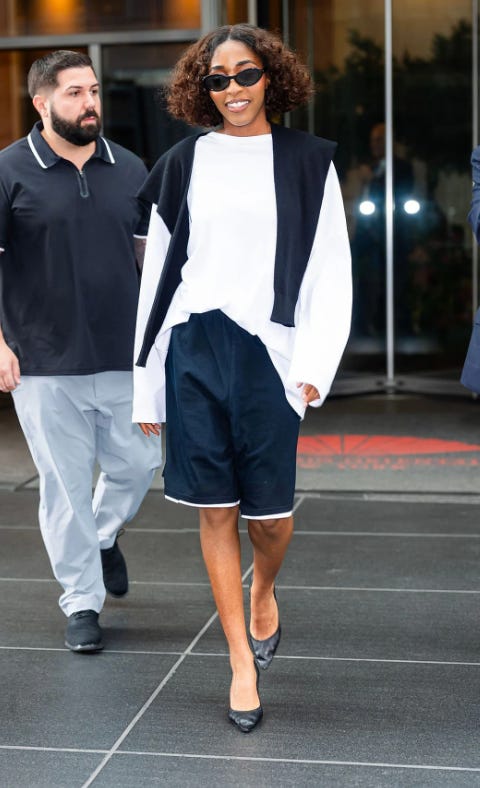
When AI can generate endless variations, taste will guide you to the one that feels true. It’s the filter through which you decide what to prioritize, what you deem worthy. It’s not about being right; it’s about knowing what feels right, what fits your context, values, and vision.
Nothing worth having comes easy
True taste is learned, not innate. It’s emotional intelligence made visible - a quiet alignment between intuition and self-knowledge.
Developing it requires vulnerability: trusting your inner compass combined with the quiet confidence of saying - I don’t care about the trend - this suits me. It feels like me.
Taste must be cultivated: it’s turning inward, developing judgment, and making connections between self and context. The goal is not to collect “the right things” but to create meaning. The best-dressed aren’t trend followers or imitators — they’re editors of themselves.
Who knows — if you stay committed to the process, you might just become the cool person who gets it.