


Hi readers — happy New Year 🤍
I stepped away a little longer than planned while travel and life took over. If you’ve been following along, thank you for sticking around. I’m back — and I hope you are too.
Dior — or perhaps Jonathan Anderson — has been dominating the conversation. Let’s take a closer look.
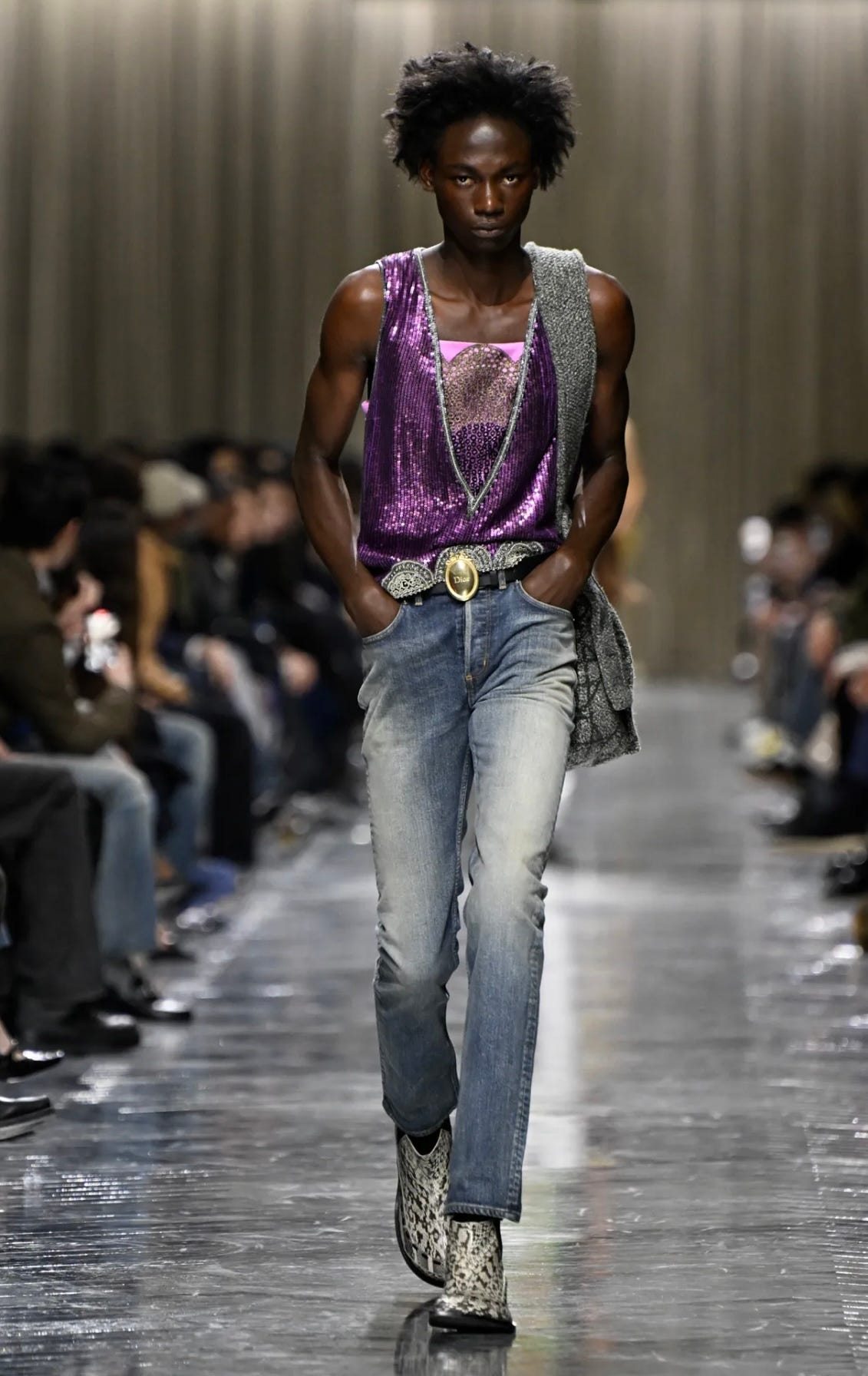
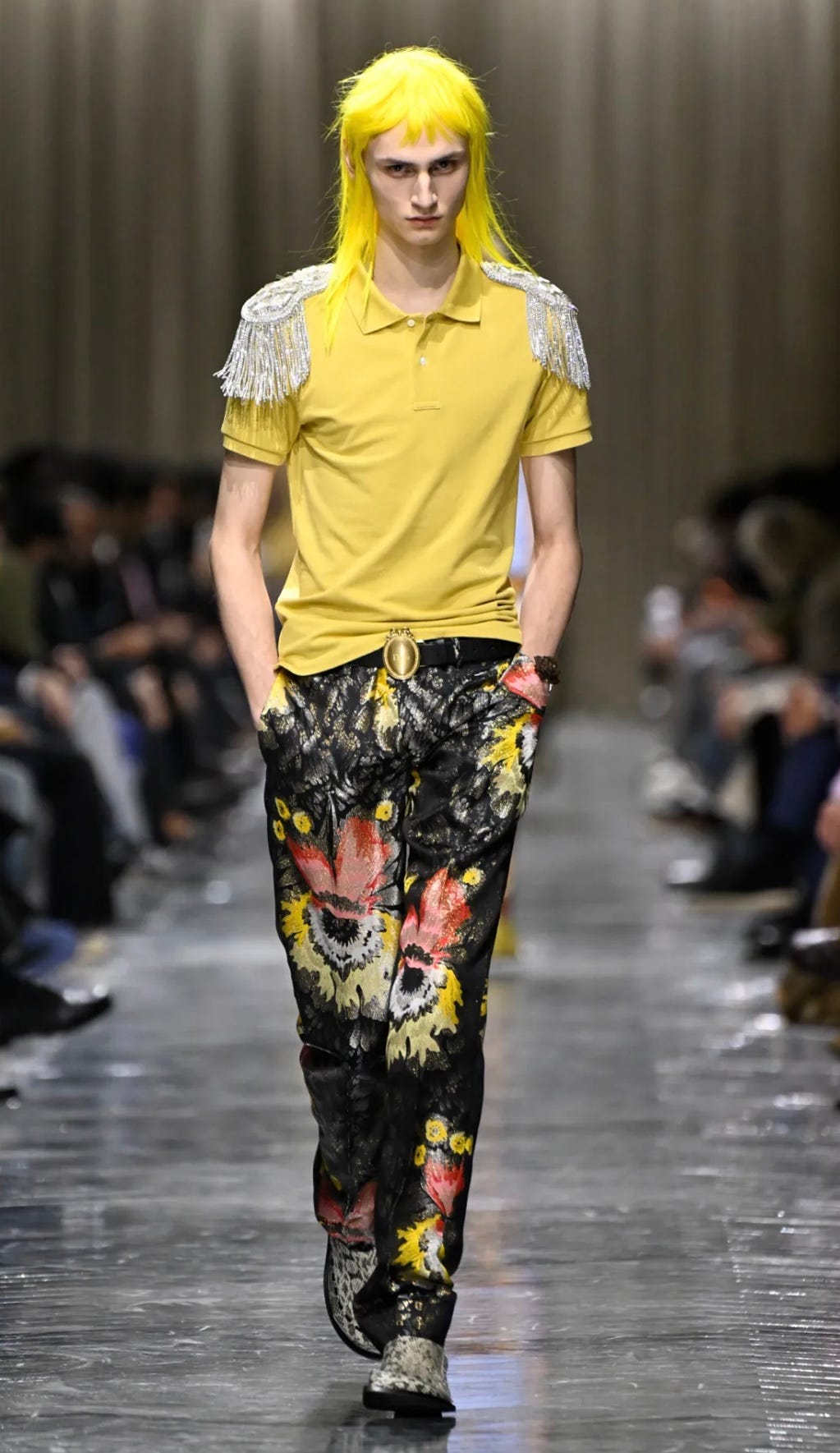
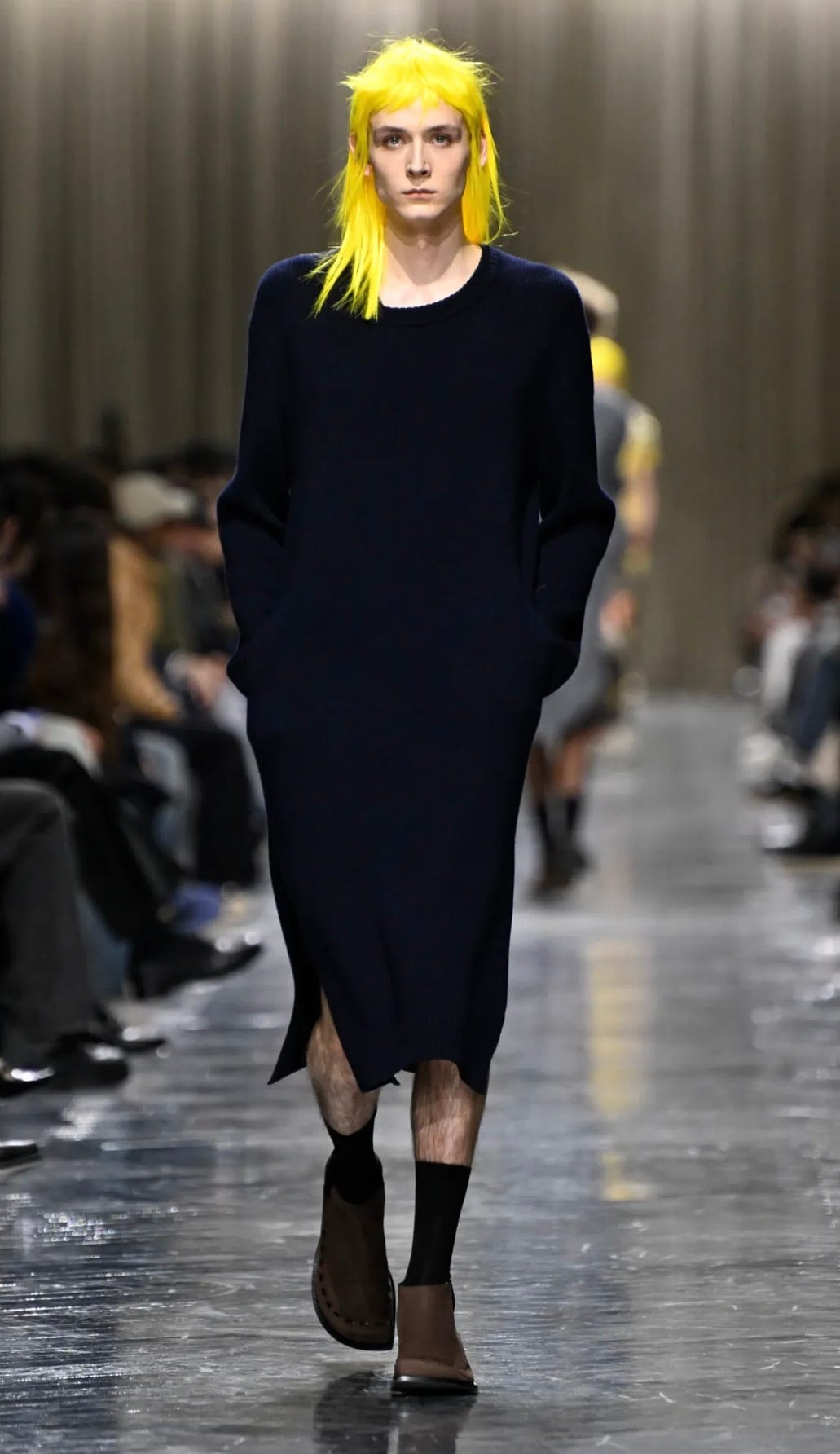
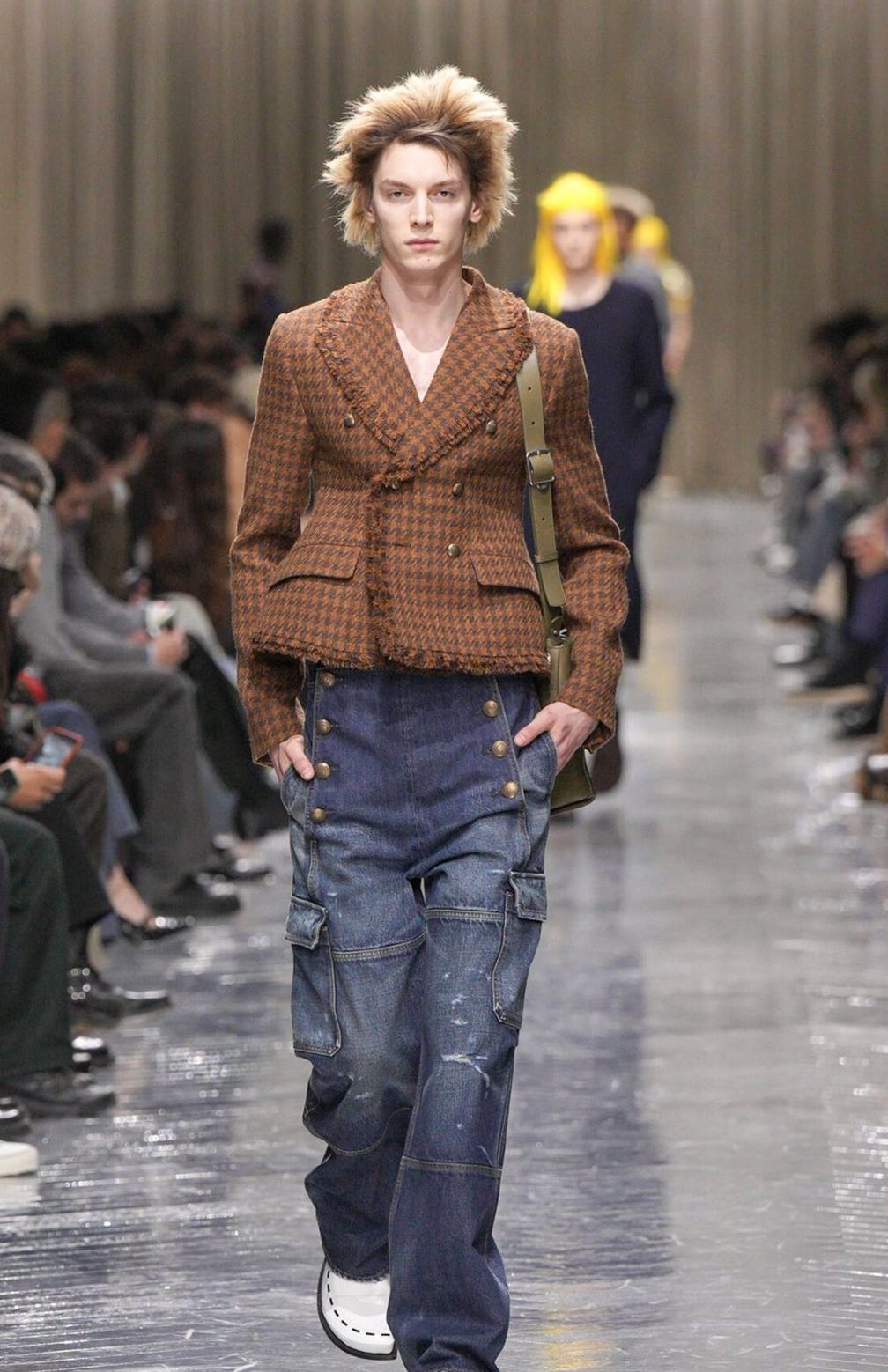
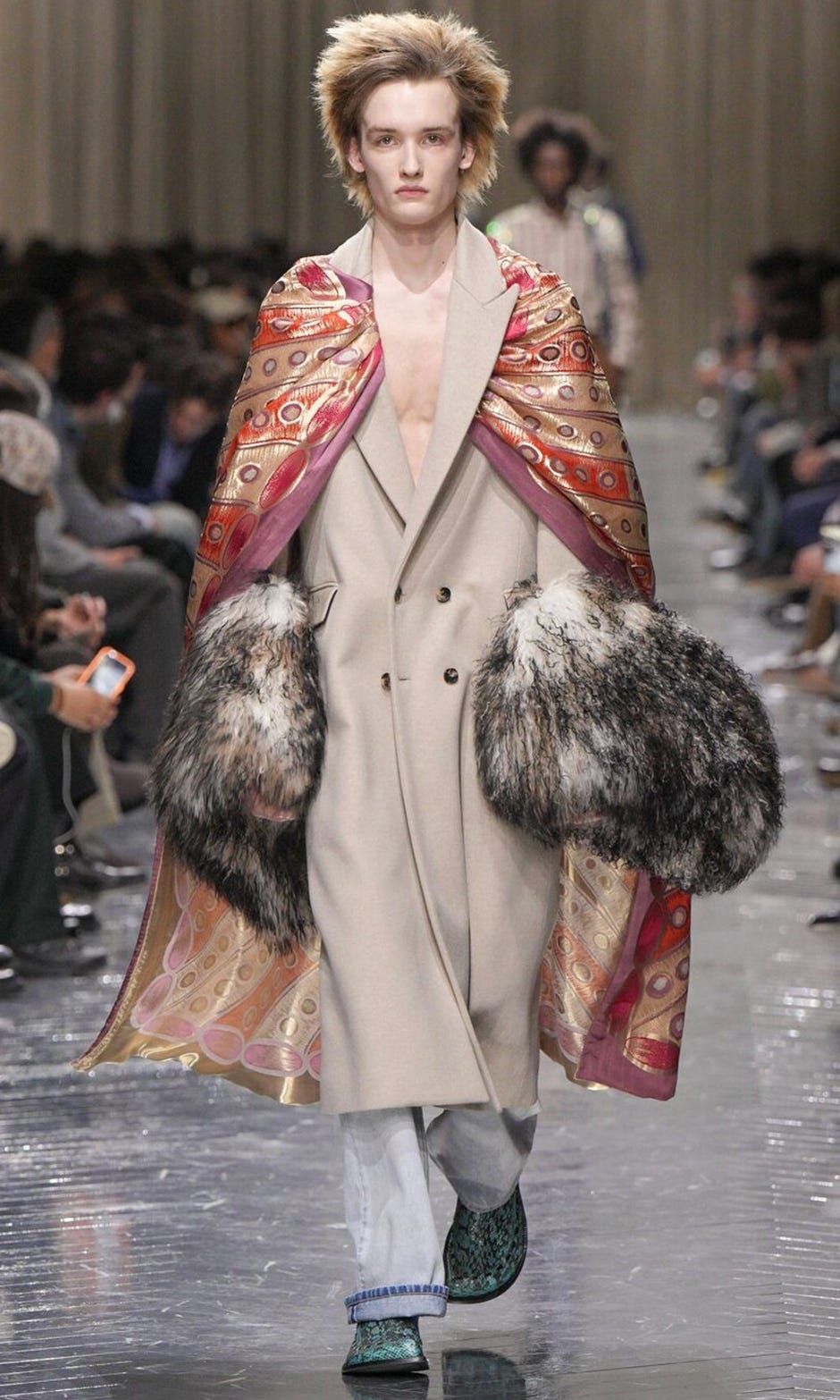
The reaction to Jonathan Anderson’s Dior has been loud, confused, and oddly emotional — which is usually a sign that something more foundational is being challenged.
The internet is tripping over itself to declare the collection either an unparalleled act of artistry or an insulting failure. And while this is where our collective attention tends to live - in the urgency to define and tag - it’s worth sitting with the confusion for a moment.
This isn’t really a debate about menswear, or even about whether the collection “worked.” It’s about what happens when a heritage house allows something new — and, in doing so, defies expectation.
It All Started With a Thrifted Dress
Though at first glance the show reads more like a JW Anderson collection than a Dior one, this was not a case of ignoring the archives. On the contrary, Anderson moved beyond Dior’s own history, tracing Christian Dior’s influences back to Paul Poiret — an early 20th-century couturier whom Dior deeply admired. Anderson has shared that a thrifted Poiret dress was a major inspiration for the collection. The opening tank tops, in particular, read as the clearest reference, appearing almost like a cut-down facsimile of a Poiret gown.
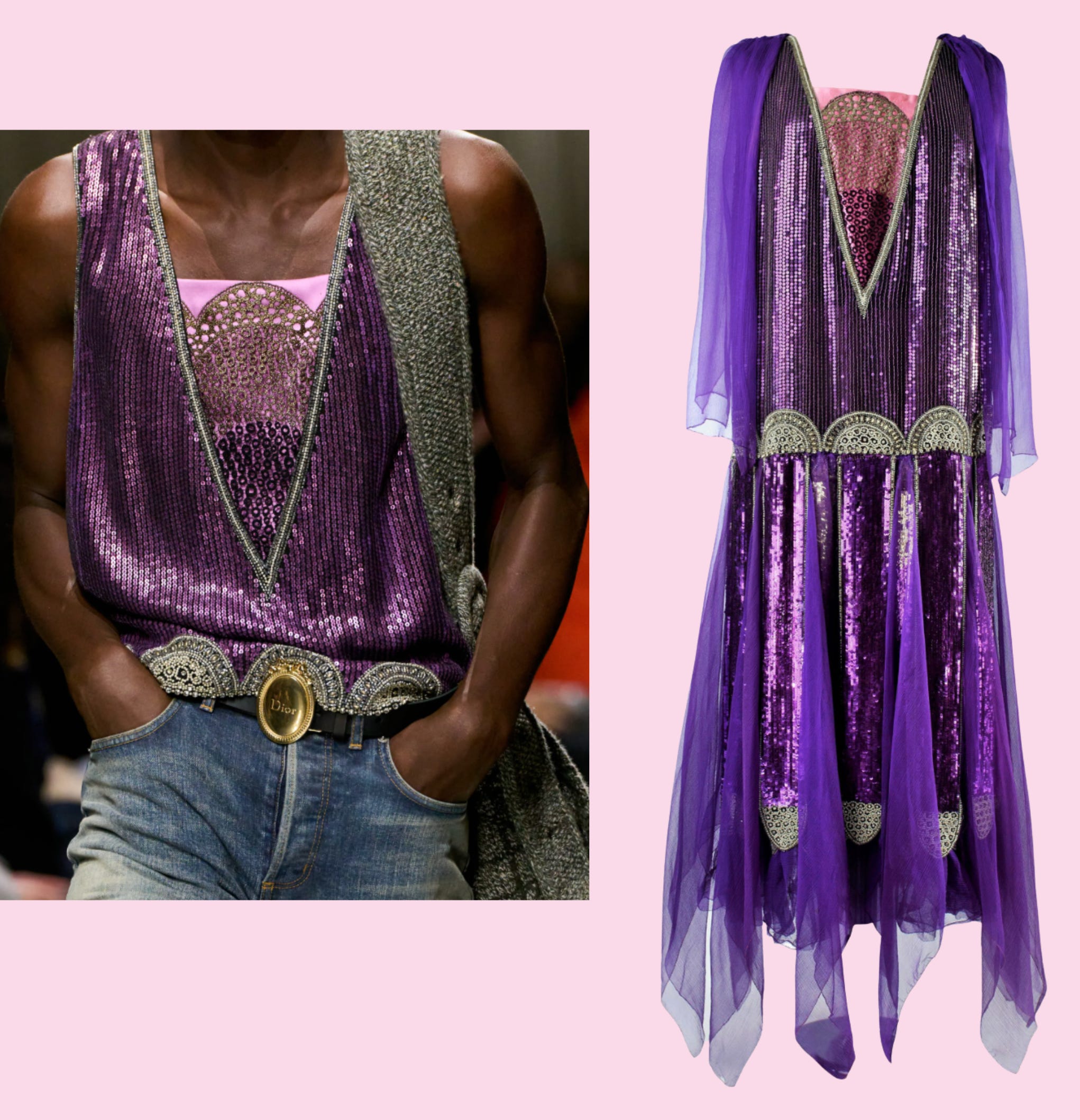
Poiret became a conceptual starting point — not only for silhouettes, but for his attitude toward dress as social signaling. His work fused references from the Middle East with neoclassicism and famously freed women from the corset, introducing loose, fluid silhouettes that prioritized movement. Looking at it side by side, the influence is undeniable.
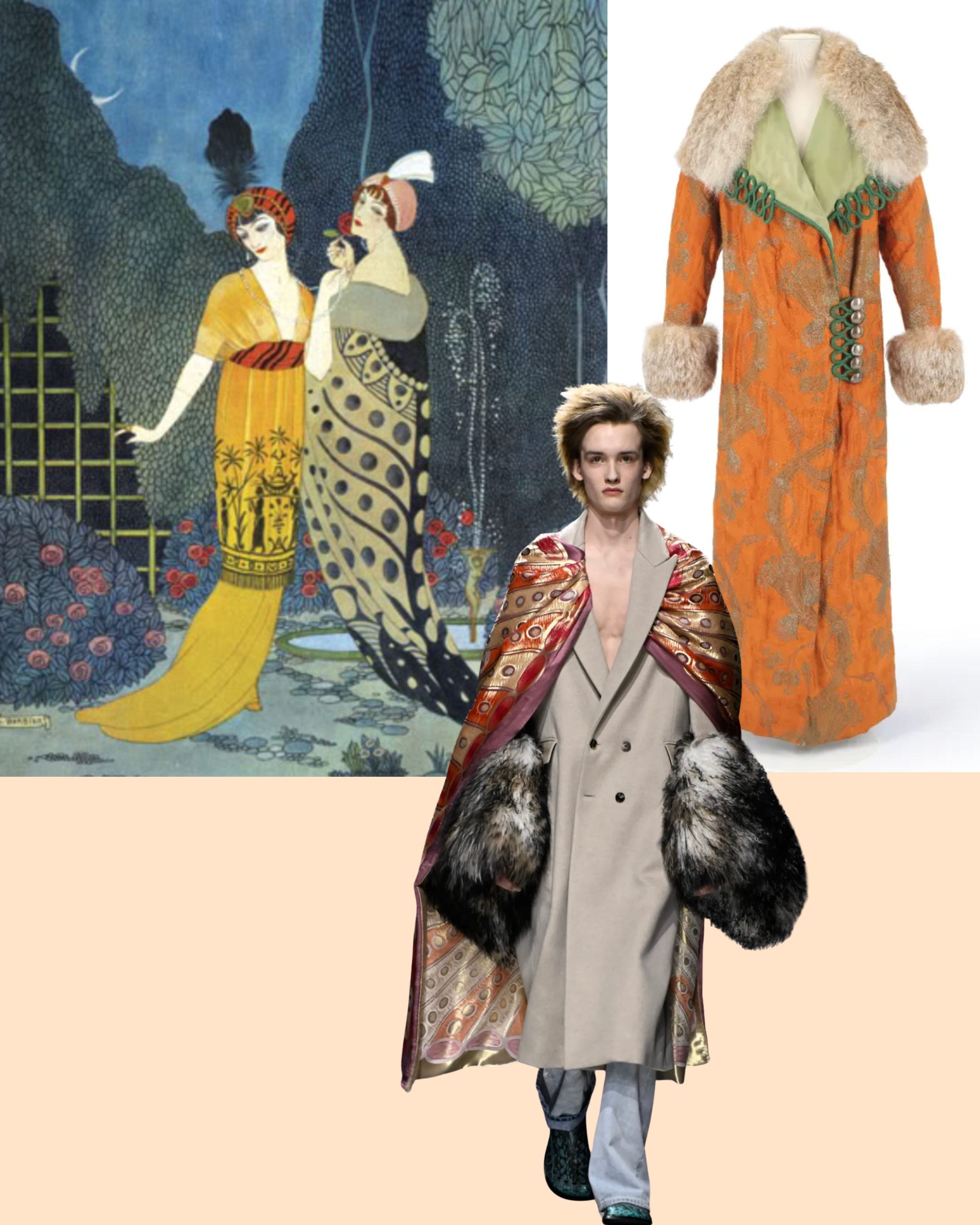
This idea of looseness, both physical and social, echoes throughout the collection. Anderson reinterprets aristocracy as a character type: eccentric, nonchalant, rebellious. Punk references and Mk.gee’s influence enter here, shaping that character into something intentionally untethered from any single era — a subculture Anderson created specifically for this show.
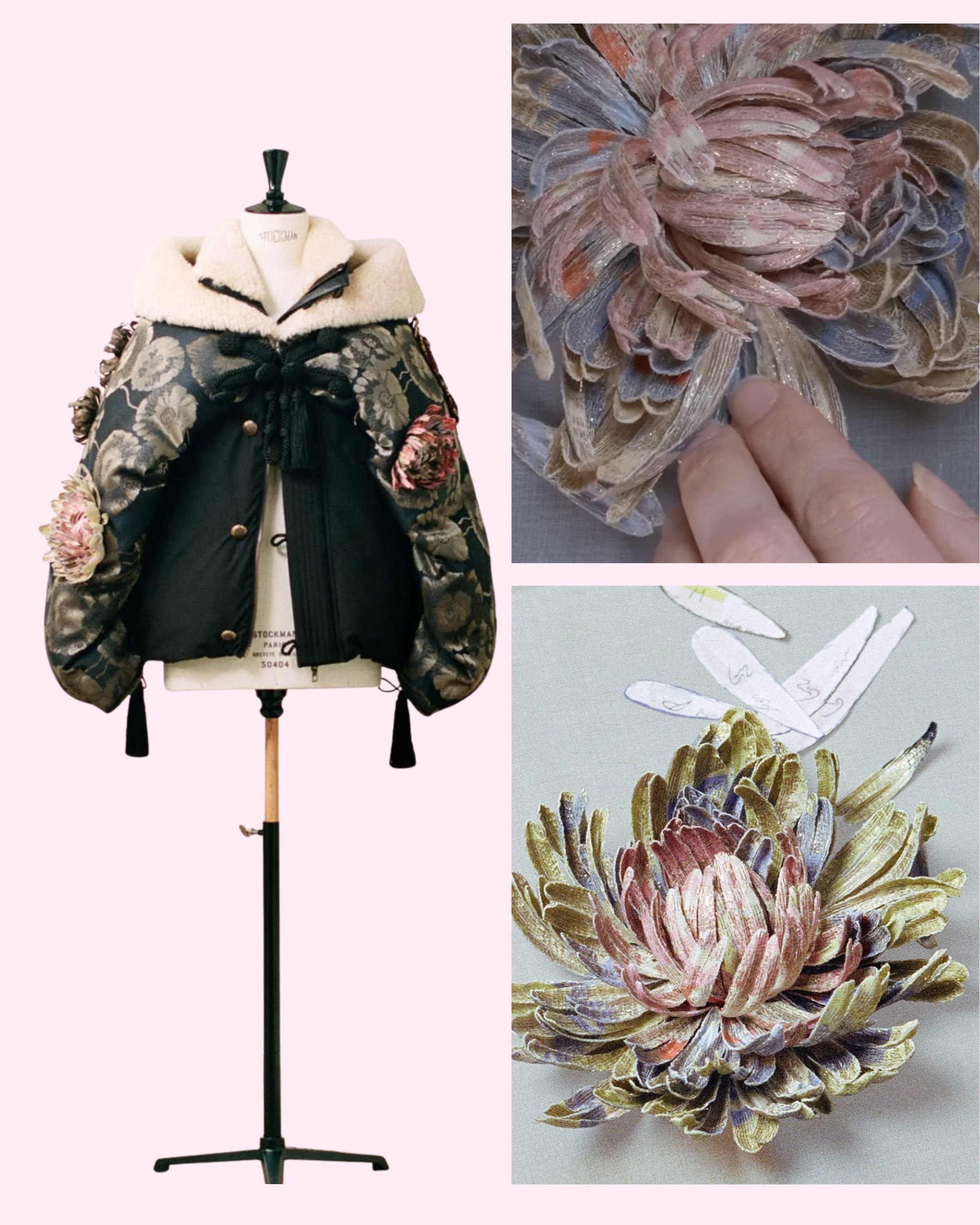
When Jonathan Anderson talks about Dior, he doesn’t start with image. He starts with labor. He speaks about the couture atelier, where nothing is made by machine, and every detail passes through human hands. You see it in the hand-beaded 3D petals on the exaggerated puffers, in garments that appear effortless while resting on extreme levels of skill and time.
At its core, the collection asks what aristocracy means now — especially in an industry that depends on money while avoiding naming it. “What happens if you ignore the idea of money in aristocracy?” Anderson asks. A curious thing to leave out when designing clothes rooted in craftsmanship, eccentricity, and — inevitably — wealth.
What emerged is a vision of neo-aristocracy built on tension. Exaggerated proportions, deliberate mismatches, and inflated shapes disrupted otherwise classic tailoring.
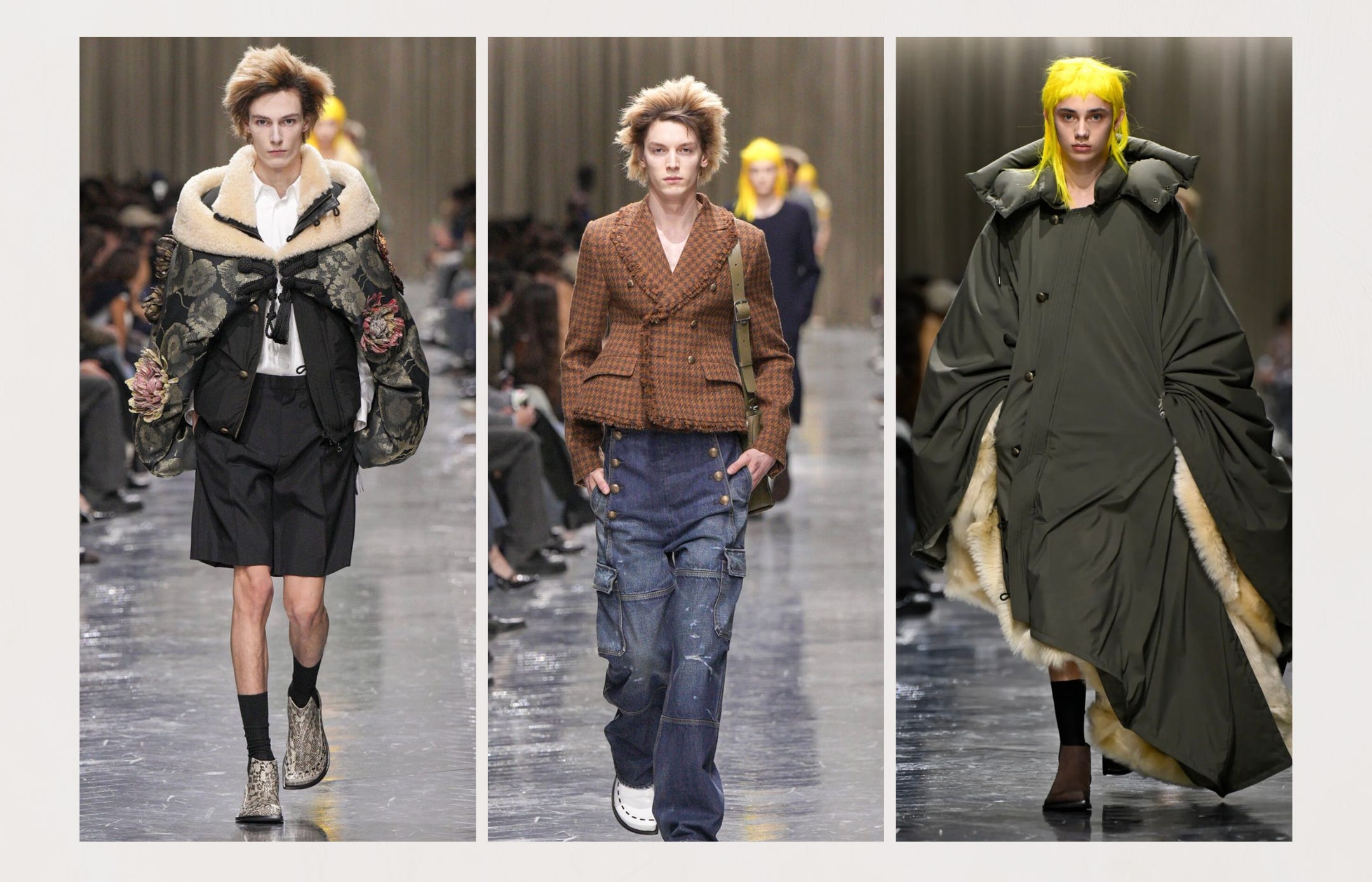
“Fashion shows are about showing ideas.”
Jonathan Anderson
The collection landed in a cultural moment obsessed with reaction: the quicker you respond, the stronger the emotion, the more rewarded you are. So it’s no surprise that the show has been labeled everything from ragebait to an overreliance on Galliano-era provocation. I get it. It’s loud. There’s a lot — maybe too much — to take in at once. But if you sit with it a moment longer, it becomes clear that none of this was accidental or a mess.
Read Anderson’s interviews closely, and the intention sharpens. This wasn’t a collection designed to reassure. It was meant to pose a set of questions — about status, masculinity, and who luxury is actually for right now. Anderson has been clear that menswear, womenswear, and couture will operate as distinct expressions of the house; each show builds this new, multifaceted language.
Provocation alone doesn’t sustain attention, as we learned from Duran Lantink’s debut at Jean Paul Gaultier. Calling it ragebait only works if you ignore intent. This wasn’t designed to be scrolled past. It was designed to be looked at, argued over, and interpreted. In a luxury landscape that increasingly avoids risk in favor of reassurance, Dior Men FW26 accepted risk as part of the mandate. The conversation wasn’t a byproduct — it was the point, and, as with many things that defy expectations, the discomfort was part of the response.
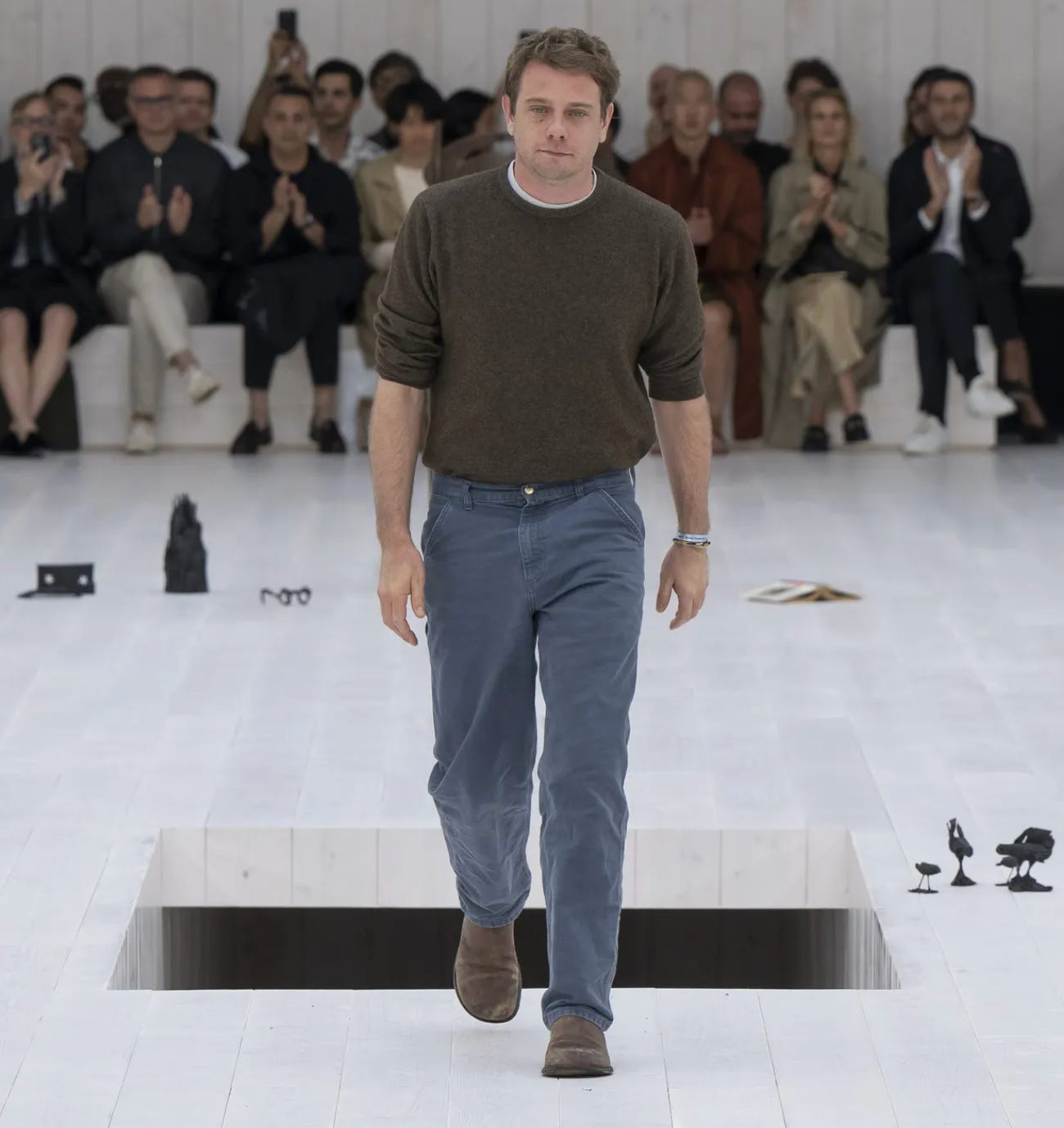
Pushing Dior Forward
The Dior customer has never been especially experimental. Traditionally, he’s conservative, polished, and invested in continuity rather than disruption. That tension sits at the center of this collection: who is this Dior for?
“Ultimately, I am not Christian Dior, and I am not Dior the brand. I’m here to add a chapter to it.”
It’s a line that can be read as deeply respectful — or quietly defiant. What matters is what that chapter becomes: the foundation of a lasting vision, or a singular, transitional moment.
It’s not hard to imagine this collection unsettling the traditional Dior customer.
And yet, this wasn’t a blind leap. A creative risk of this scale is unlikely to have been taken without consideration or visibility at the highest levels of the house. Anderson is a seasoned merchandiser, and it’s worth remembering that what appears on the runway is not what ultimately arrives on the sales floor. So perhaps there’s no need to panic just yet. Whether this shift succeeds in expanding Dior’s buyer base remains to be seen.
I’m curious to hear your thoughts on this “new chapter” - yay or nay?